Strategic Financial Leadership Without the Full-Time Cost
Big Four-trained. Battle-tested through private equity transactions. Deeply rooted in Annapolis. College Creek Consulting brings senior CFO expertise to small and mid-sized businesses that need real results, not just reports.
From Financial Fog to Strategic Clarity
Most growing businesses hit a wall when their finances outgrow their accounting function. We close that gap.
Common Pain Points
- No clear picture of true profitability by job or contract
- Month-end close takes weeks, not days
- Lenders and investors want financials you're not confident in
- Indirect rates and overhead allocations are guesswork
- No visibility into cash flow 60–90 days out
Our Solutions
- Embedded fractional CFO engagement — we get in the weeds
- GAAP-compliant financial reporting with clean audit trails
- Job costing, margin analysis, and project-level reporting
- Indirect rate calculation and DCAA compliance for GovCon
- Rolling cash flow models and 13-week forecasts
Outcomes You Can Expect
- Faster close cycles and cleaner books
- Better margin visibility and profitability by project
- Lender-ready and investor-ready financials
- Reduced risk and higher business valuation
- Confidence to make strategic decisions with real data
Services & Specialties
We go deep on the areas where generalist accountants leave money on the table.
Fractional CFO Services
Budgeting, cash flow forecasting, financial statement preparation and analysis, and strategic planning — at the engagement level your business actually needs.
Government Contracting (GovCon)
Indirect rate calculation, overhead allocation, DCAA audit preparation, and FAR compliance for federal and state contractors.
Construction Accounting
Job costing, work-in-progress schedules, margin review, percentage-of-completion accounting, and subcontractor management.
Private Equity & M&A Support
Financial due diligence, management reporting packages, quality of earnings preparation, and transaction-readiness for PE-backed and acquisition-target companies.
Accounting Process Improvement
Internal controls, role and responsibility structuring, ERP selection support, and team building for companies whose accounting function has outgrown its original setup.
Banking & Capital Advisory
Banking relationship management, lender package preparation, covenant compliance monitoring, and new venture financing analysis.
What Sets Us Apart
There are a lot of fractional CFO firms. Here's why our clients choose College Creek.
Big Four Foundation
Our practice is built on a public accounting foundation from Ernst & Young in New York City — the rigor, standards, and methodology that large enterprises rely on, applied to the businesses that need it most.
Real Transaction Experience
We've led internal due diligence through a private equity sale — not as an outside advisor reading the playbook, but as the finance lead in the room. We know what buyers look for and what kills deals.
Deep Municipal Finance Experience
From Kearney & Company to serving as embedded fractional Deputy Director of Finance for the City of Annapolis — we know GAAP, GASB, GFOA, ACFR, and Tyler MUNIS from the inside, not from a textbook.
Genuinely Local
We live and work in Annapolis. We know the business community, the banking relationships, and the regional landscape. We show up — in person — when it matters.
Municipal Finance — City of Annapolis
An ongoing engagement illustrating what embedded fractional finance leadership looks like in practice.
The Challenge
- Temporary vacancy in the Deputy Director of Finance role — overseeing accounting, payroll, audit coordination, financial reporting, and systems administration
- Need to maintain continuity, accuracy, and transparency across Finance Department operations during leadership transition
- Opportunity to strengthen processes, documentation, and staff capability for long-term resilience
Our Role
- Embedded as fractional Deputy Director of Finance — day-to-day presence, executive-level oversight
- Oversight of accounting operations, payroll, reconciliations, period-end close, and audit support
- ACFR readiness and auditor coordination; GAAP, GASB, and GFOA compliance
- Budget formulation support, expenditure monitoring, and revenue analysis
- Tyler MUNIS and OpenGov system optimization — reducing manual workarounds and improving data flow
Finance Enhancement Work
- Organizational design — defined roles, responsibilities, and segregation of duties across the Finance Department
- Process documentation — SOPs for accounting operations, payroll, reconciliations, and year-end close
- Staff training and knowledge transfer to build internal capacity and reduce key-person risk
- Prioritized system optimization roadmap for Tyler MUNIS and OpenGov
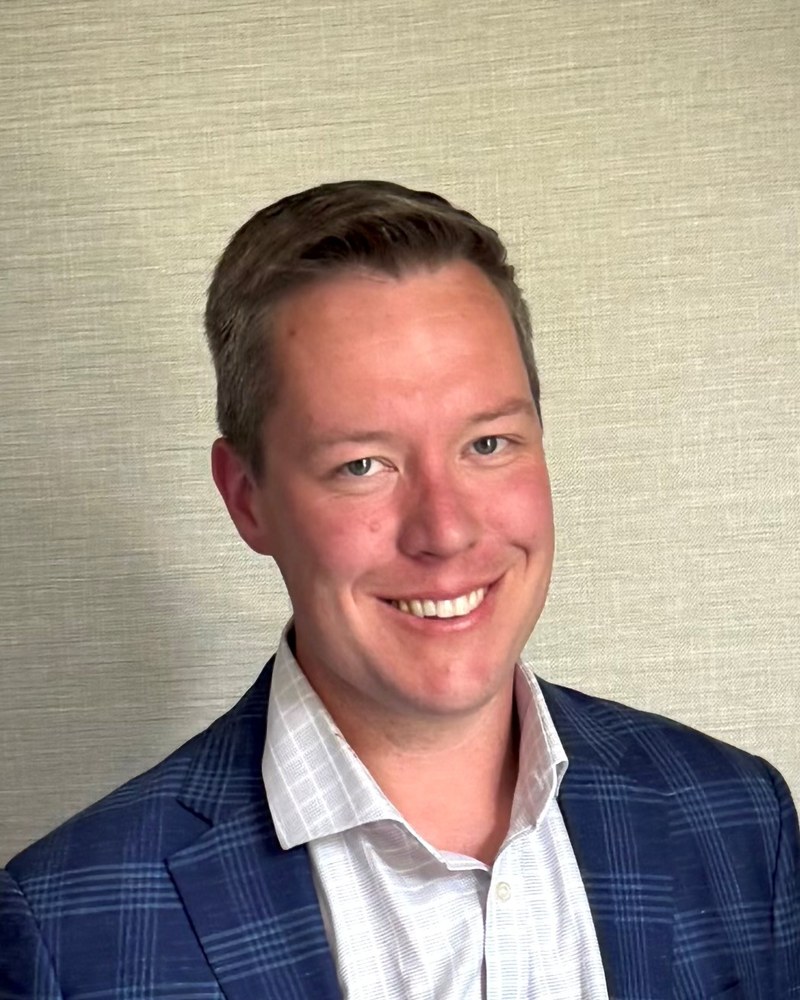
Sean Doyle, CPA
"My goal is simple: give growing businesses the financial leadership that was previously only available to companies ten times their size."
Sean has nearly two decades of professional experience improving accounting functions and financial reporting across public accounting, government, and private sectors. He began his career in public accounting at Ernst & Young in New York City before moving into roles spanning environmental accounting, government finance, defense contracting, and private equity-backed businesses.
Most recently, Sean served as embedded fractional Deputy Director of Finance for the City of Annapolis, leading a full Finance Department Enhancement engagement — organizational design, SOP development, staff training, and Tyler MUNIS/OpenGov system optimization — alongside day-to-day oversight of accounting, payroll, audit coordination, and ACFR preparation. He has also led internal due diligence through a private equity sale, with firsthand experience of what acquirers look for and what maximizes valuation.
Sean holds an active CPA license in Maryland and a Master of Accounting and Professional Consultancy from Villanova University. A longtime Annapolis resident, he serves as treasurer of the West Annapolis Civic Association and is actively engaged in Chesapeake Bay watershed initiatives.
Ready to Get Your Finances Working for You?
Book a free 30-minute consultation. No obligation — just an honest conversation about where your business stands and where it could go.
Schedule Your Free ConsultationLet's Talk About Your Business
Whether you're preparing for a transaction, struggling with cash flow visibility, or simply outgrowing your current accounting setup — we'd love to hear what you're working through.